Experiential AV Design: From Concept to Commissioning
BRI
Editorial Team
October 26, 2026


AV Integration & Signage Solutions
AV Integration & Signage Solutions
Loading
Beyond Ordinary
Editorial Team
October 26, 2026
Standard designations verified September 2026 against AVIXA's published standards catalogue. Designations change, several widely-cited numbers are already superseded.
Experiential AV projects fail in predictable places: a display sized by eye rather than by viewing geometry, a rack built without a plan, a system handed over with no agreed definition of "working", and a support contract written after the client has already lost confidence. Most of those failures are process failures, and the industry has published standards covering the process, not just the kit.
This is a breakdown of the phases, mapped to the standards that govern each one.
AVIXA maintains the AV industry's standards catalogue. Each standard below was confirmed on AVIXA's own published-standards page with its current designation, and each is explained where it applies in the phases that follow.
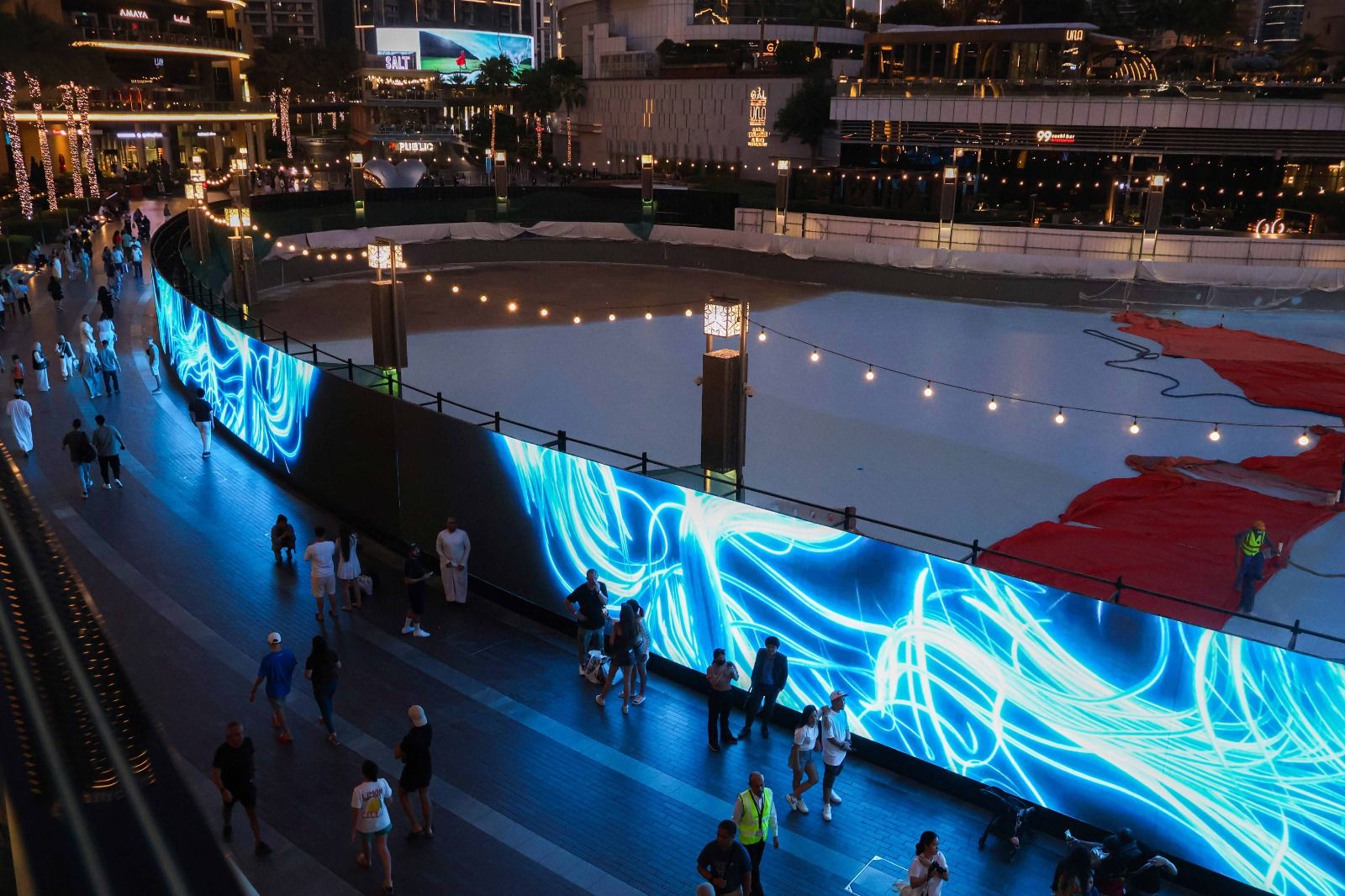
The question this phase answers is not "what shall we install" but "what is the audience supposed to experience, and how will we know it worked."
Experiential work differs from corporate AV here. A boardroom has a known task, see the far end, hear the far end, share content. A brand experience, visitor centre or attraction has a narrative goal, and the AV exists to serve it. Content intent should precede the equipment schedule, because content determines aspect ratio, brightness, sightlines and dwell time, and those determine the kit.
Outputs worth insisting on: a written experience narrative, a spatial plan showing where audiences stand and move, the environmental constraints (ambient light, acoustics, ceiling access, power, heat), and the operational reality, who turns it on, who fixes it, how many hours a day it runs.
That last group is where experiential projects quietly go wrong. A system designed for eight hours a day and run for sixteen will not reach its expected service life.
This is where the published standards start doing real work, because the design decisions they govern are the ones most often made by eye.
Display sizing is the clearest example. V202.01:2026 exists precisely because "it looked fine in the showroom" is not a method. It establishes display size against viewing positions, works from drawings or on site, and has a free conformance calculator. For LED walls the stakes are higher than for projection, because the wall is usually structural, expensive and impossible to resize after install.
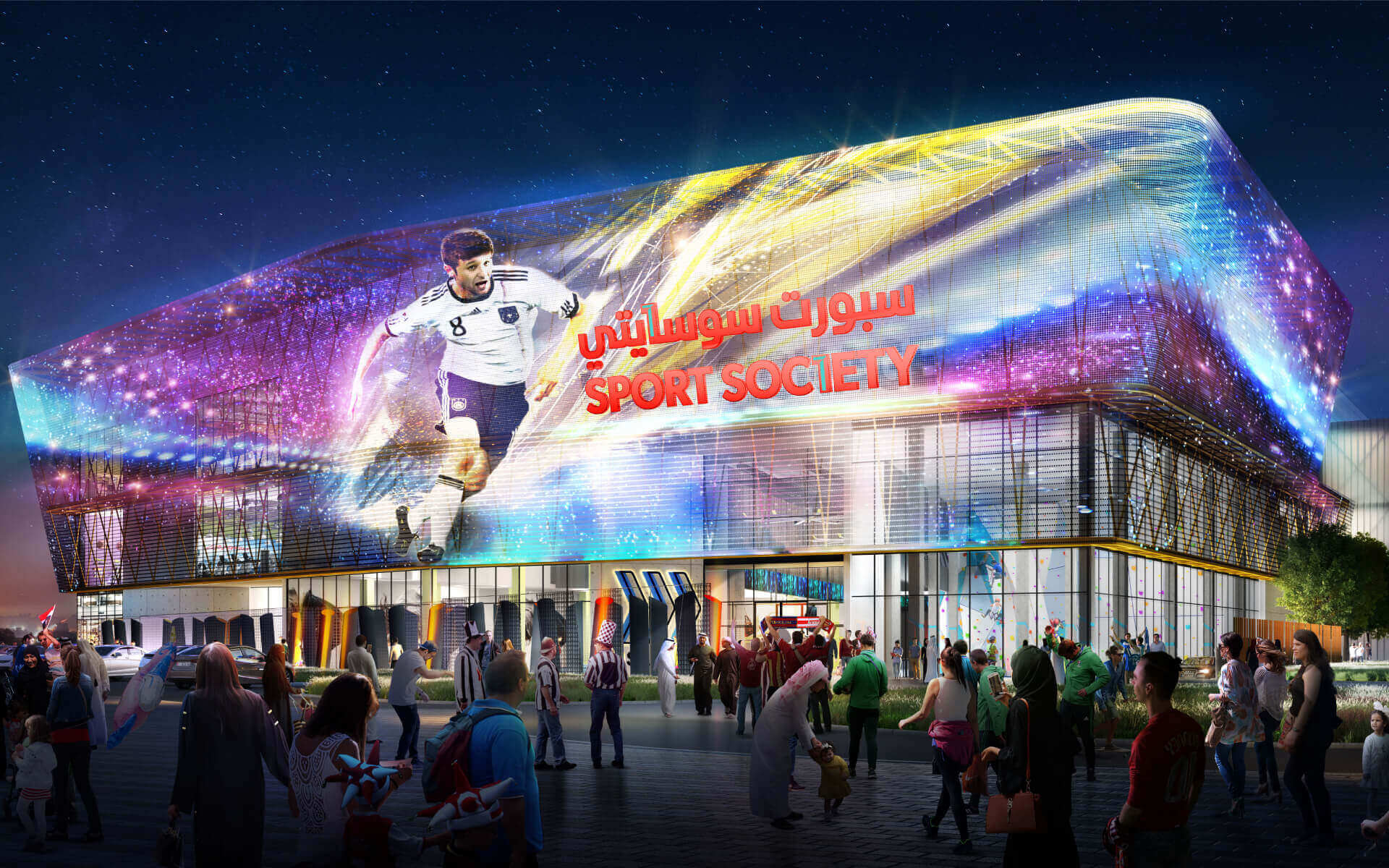
Contrast follows from ambient light, and V201.01:2021 defines image system contrast ratio and its measurement. Experiential spaces are frequently daylit or deliberately lit for atmosphere, which is exactly the condition where a display specified on datasheet contrast disappoints.
Audio coverage across an open experiential space is harder than in a room with seats. A102.01:2022 characterises coverage of defined listener areas, A103.01:2023 addresses spectral balance for design and commissioning, and A104.01:2025 covers required SPL and signal-to-noise by venue type.
The consultancy question to settle in this phase: are you specifying these standards contractually, or referencing them aspirationally? The difference determines whether you have grounds to reject an installation later.
Network architecture belongs in the design conversation too. Modern experiential systems increasingly put video, audio, control and monitoring onto the network, which means AV and IT decisions can no longer be made separately. Who owns the network, how devices are segmented and secured, and how the system will be monitored should be agreed before integration starts, not discovered on site.
D401.01:2023 covers this and is the standard most often skipped. Its framework addresses documentation requirements, who is responsible for creating each item, and tracking delivery.
The practical value is the second and third parts. Most documentation disputes are not about what a drawing should contain but about who owed it and whether it arrived. Agreeing the responsibility matrix at design stage costs an afternoon; resolving it at handover costs weeks.
Two standards govern the parts of integration that determine whether the system can be maintained.
F502.02:2020 (R2023) sets minimum rack planning and design requirements, including process inputs and outputs. A rack built without a plan works on day one and becomes unserviceable by year three.
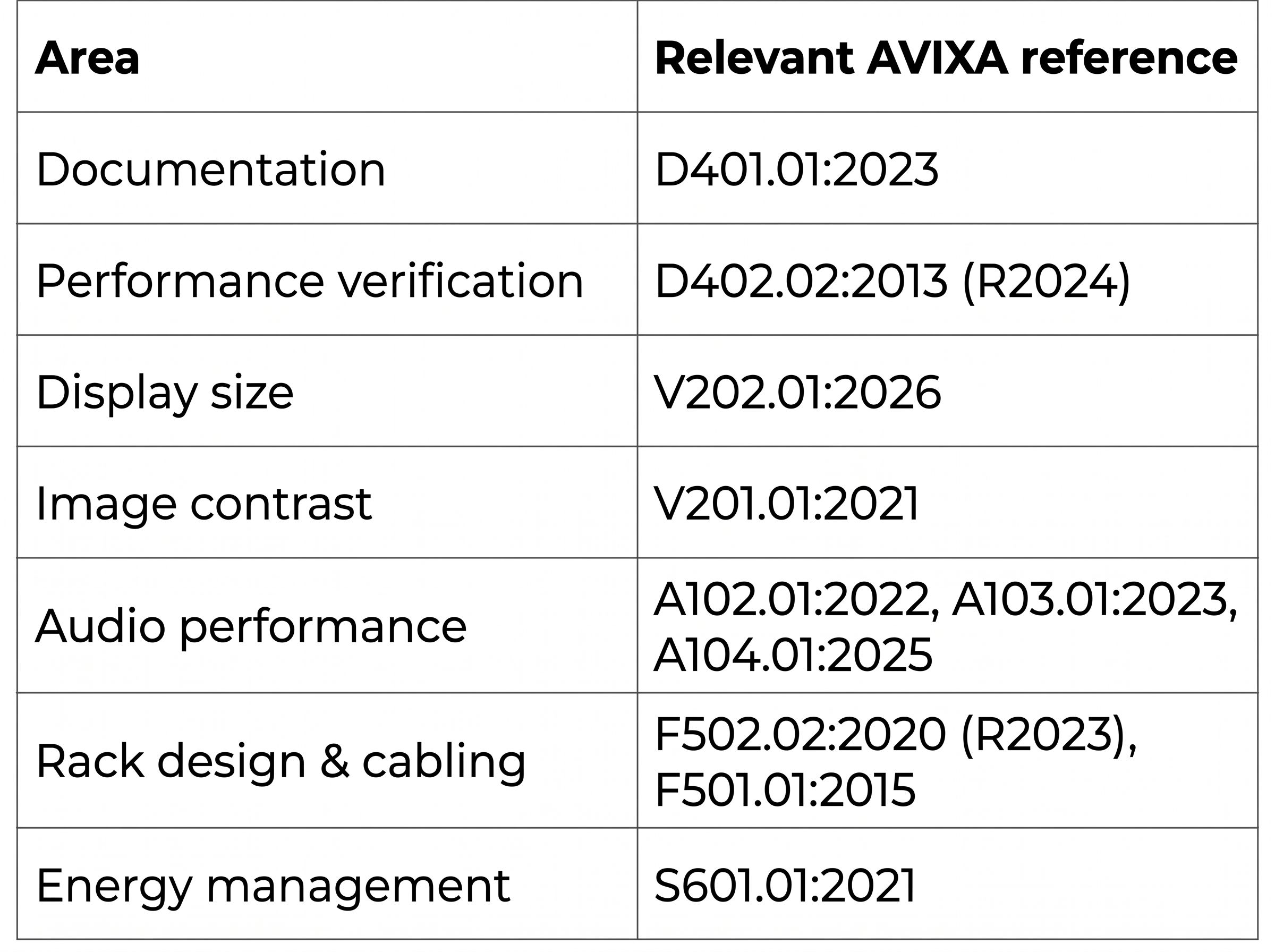
F501.01:2015 defines cable labelling requirements explicitly to aid operation, support, maintenance and troubleshooting. Labeling is the cheapest thing in the project and the first thing dropped under schedule pressure. It is also what determines whether a fault takes twenty minutes or a day to trace, which makes it a direct input to the remote diagnostics discussion below.
D402.02:2013 (R2024) is the standard that matters most and is invoked least. Its framework covers determining the elements of an AV system, the timing of verification, a process for determining verification criteria and metrics, and reporting procedures.
Read that list again in project terms. It says verification criteria should be determined, which means agreed, in advance, in writing. The common failure is a project where "commissioning" means the integrator demonstrating that things switch on, and the client discovering only later that they had a different definition of acceptable.
Set the metrics at design stage, not at handover. If the audio coverage target, the contrast ratio target and the image size conformance were written into the design documentation, commissioning becomes a measurement exercise. If they were not, it becomes a negotiation.
If the metrics are agreed at design stage, commissioning is measurement. If they aren’t, commissioning is negotiation.
Experiential installations are unattended for most of their lives. The operator is a duty manager, not an AV engineer. This is why remote monitoring has moved from a value-add to a core design input.
Designing for it means decisions made in earlier phases: devices selected for network manageability, a management VLAN provisioned, power sequencing controllable remotely, and labelling accurate enough that a remote diagnosis can be acted on by whoever is physically present.
What can reasonably be monitored includes device reachability and uptime, lamp or laser hours and projector or display health, signal presence, temperature and fan status, and error logs. What cannot be monitored remotely is whether the experience is actually good, audiences still need human observation.
S601.01:2021 addresses ongoing power-consumption management of AV systems, which belongs in this phase: a 24/7 LED wall is a significant recurring energy cost, and scheduling is a design decision rather than an operational afterthought.
Judgment rather than standards, with one exception noted.
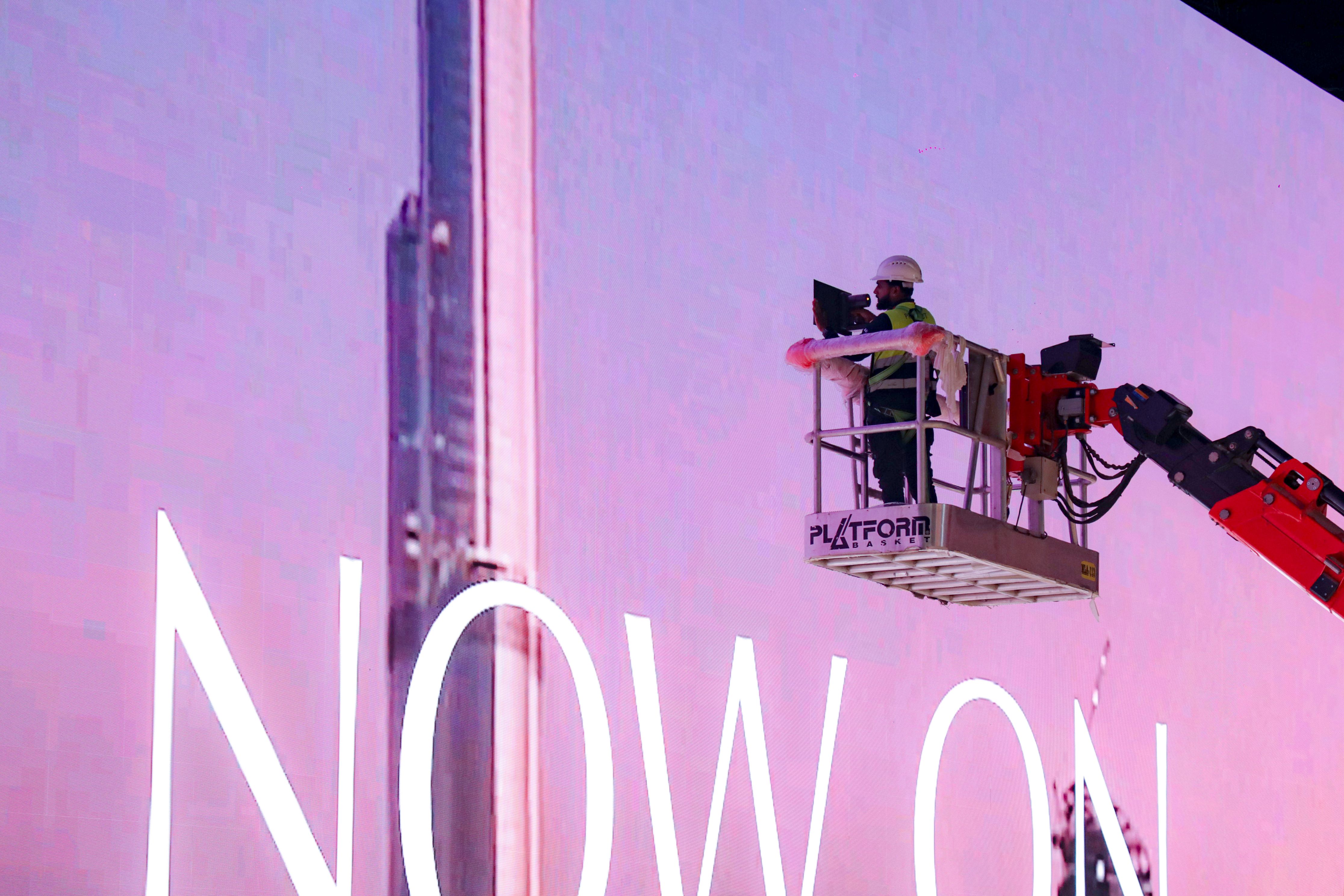
Pixel pitch starts with viewing distance, but content matters too. Fine text, detailed imagery and camera-facing installations place different demands on an LED wall than large-format motion graphics. The point is to define the viewing conditions first and select the technology second, not the other way around. Pitch is also the decision that cannot be revisited after install, which is why V202.01:2026 and its conformance calculator belong in the design phase rather than the procurement phase.
Structure, access and heat are the real constraints. An LED wall is a building element. Ask early where the service access is, what the wall weighs, how heat leaves the cavity, and whether a failed module can be replaced from the front or requires rear access, that single answer changes the structural design.
Spares are part of the specification. Module-level failure is normal over a wall's life. A spares package and a documented replacement procedure should be in the contract, not requested after the first failure.
Content specification is part of AV specification. Resolution, aspect ratio, frame rate and the content management workflow should be agreed with whoever will produce content for the life of the installation, not just for launch.
A consultancy that answers the third and sixth without hesitation is a consultancy that has commissioned systems before.
Sources
1
AVIXA, Available Standards catalogue
Current designations and AVIXA's own scope descriptions for D401.01:2023, D402.02:2013 (R2024), V202.01:2026, V201.01:2021, A102.01:2022, A103.01:2023, A104.01:2025, F502.02:2020 (R2023), F501.01:2015, S601.01:2021, TR-111:2019, UX 701.01 (in development); former INFOCOMM designations; USD 75 pricing and member access; existence of a free DISCAS conformance calculator
avixa.org/resources/standards/published-standards
2
AVIXA, Standards overview
AVIXA's role as the AV standards body; standards developed by subject-matter experts as recommended practices
avixa.org/resources/standards
End of Brief